
WITW has WFH done to fresh and eager 1st time employees?
Quick Read TL;DR
Employers may be slow to fire in today’s labor market, but they’re also slow to hire, and entry-level workers have been hit hard.
Debate is fierce about why exactly they’re having so much trouble, and how much remote work is undermining their employability.
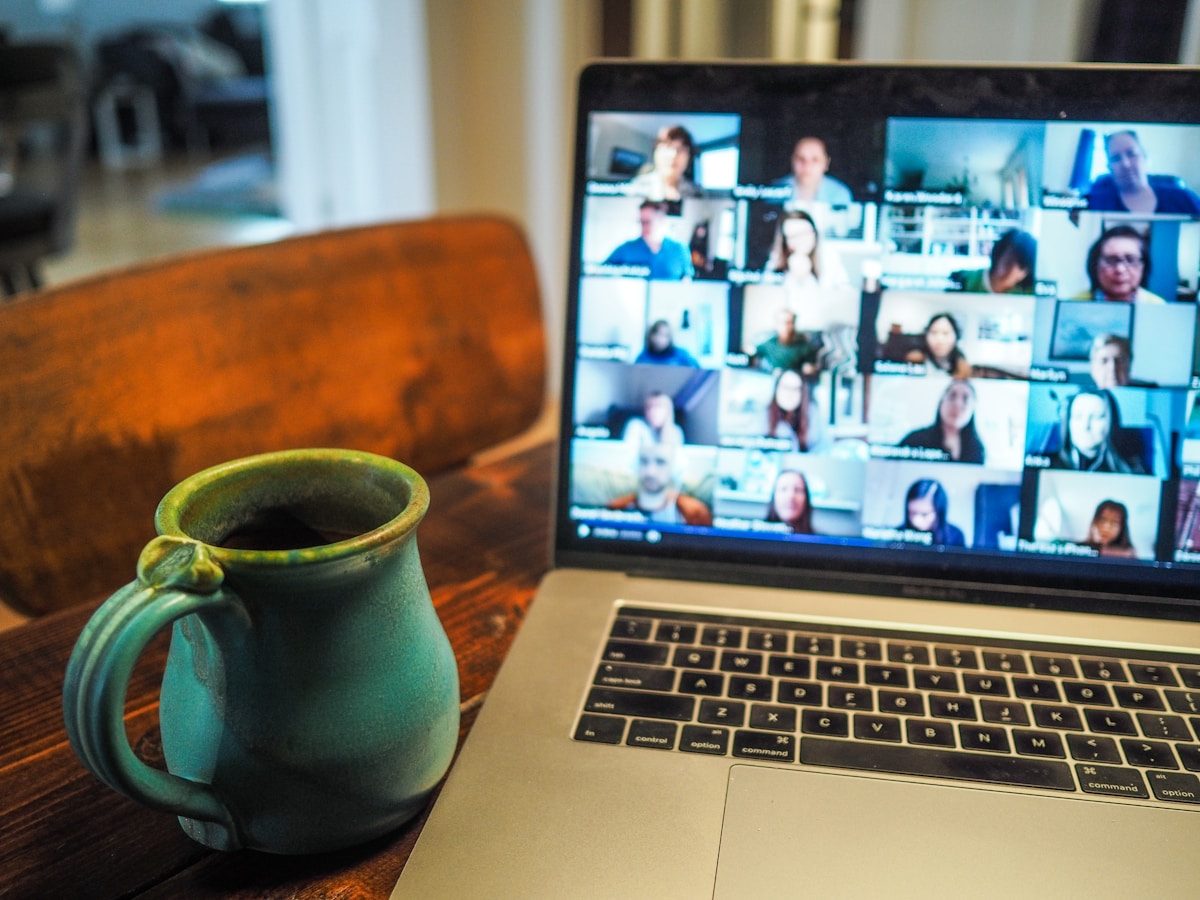
WFH: Has Working From Home Done Entry Level Workers A Disservice?
There’s an interesting debate happening around the future of work.
Employers may be slow to fire in today’s labour market, but they’re also slow to hire. And one group appears to be feeling the pain more than most: young people looking for their first proper job.
So what’s going on?
You Can’t Learn Everything From A Laptop
Working from home has plenty of advantages. No commute, more flexibility and, for experienced workers, often better productivity.
But there’s a big difference between working from home when you already know what you’re doing and starting your career from the spare bedroom.
For a first time employee, the workplace isn’t just where you do the job.
It’s where you learn how to:
- Talk to colleagues.
- Handle difficult customers.
- Ask questions.
- Read the room.
- Build relationships.
- Make mistakes and recover from them.
- Understand how a business actually operates.
A lot of that learning happens simply by being around other people.
The Experience Catch 22
There’s another problem.
Employers want experience.
Entry level workers need a job to get experience.
And if fewer businesses are willing to train inexperienced people, that creates a pretty nasty catch 22.
Remote work probably isn’t the whole explanation. Economic uncertainty, AI, changing hiring practices and employers becoming more selective all play a part.
But WFH may have removed some of the informal apprenticeship that used to happen naturally in an office.
You’d overhear a conversation.
Someone would show you how they handled something.
You’d grab a coffee with the person sitting next to you.
Nobody scheduled a training session. You just learned.
Maybe The Answer Isn’t WFH Or Office
This doesn’t mean we should send everyone back to the office five days a week.
Perhaps the better answer is intentional hybrid working.
Give experienced employees the flexibility they value, while giving new employees enough face to face time to learn, connect and develop.
Because your first job isn’t just about completing tasks.
It’s about learning how to work.
And that’s something that can be surprisingly difficult to teach through a screen.
What do you think?
Has WFH made it harder for young people to get that crucial first step on the career ladder?