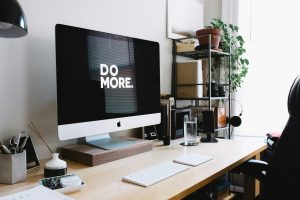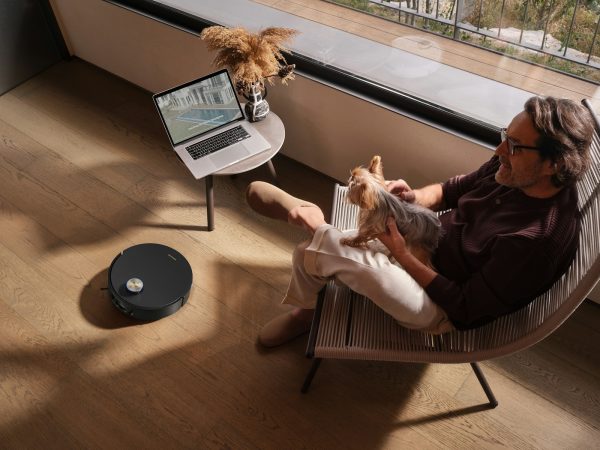
The older you get, tech specs don't matter, it just has to work, all the time, everytime.

Ever felt like this….

Windows vs Mac: A Productivity Choice, Not a Tech War
Most people don’t choose an operating system.
They inherit one.
Maybe it came with the first work computer. Maybe IT installed it and said, “That’s what we use.” Maybe it was simply what everyone else had at the time.
Once you’re in, you stay in. Not because it’s perfect — but because changing feels like effort.
And effort, when you’ve already got enough going on, feels unnecessary.
The Comfort of “I Know How This Works”
Windows is familiar. Predictable. It’s been around forever, and for many people, it’s what work looks like.
Folders. Files. Menus. Right-clicks. Dialog boxes.
You know where things are. You know how to fix most problems — or at least how to Google them.
There’s comfort in that.
And comfort is powerful.
But comfort can quietly turn into friction when your day becomes less about “using a computer” and more about thinking, creating, writing, planning, or running things.
When the Tool Starts Asking for Attention
At some point, the relationship shifts.
You notice you’re spending more time:
• updating
• restarting
• fixing small things
• managing settings
• working around the system
None of these are disasters. They’re just interruptions.
And interruptions are productivity killers — especially when your brain prefers longer stretches of focus instead of constant context switching.
This is where the comparison really begins.
Not Windows vs Mac.
But management vs flow.
The Quiet Appeal of macOS
macOS doesn’t announce itself loudly.
It doesn’t try to prove it’s powerful.
It doesn’t assume you want to tinker endlessly.
It mostly just gets out of the way.
Things tend to work the same tomorrow as they did today. Updates are quieter. File handling feels more visual and forgiving. The system feels less like a project and more like a surface you work on, not inside.
For people who value:
• fewer interruptions
• visual clarity
• consistency
• reduced decision fatigue
that starts to matter more than raw specs or customisation.
Learning Curves vs Energy Curves
Here’s the honest part.
Switching systems takes effort.
There’s a learning curve. Muscle memory breaks. Shortcuts change. Things aren’t where you expect them to be.
But here’s what often gets missed:
The learning curve is temporary.
The energy drain of daily friction is ongoing.
Many people push through years of low-grade frustration because the idea of change feels bigger than the cost of staying put.
Until one day it doesn’t.
Ecosystems Matter More Than Machines
This is where the conversation moves beyond laptops.
Phones. Tablets. Messages. Photos. Notes. Passwords. Files.
When everything syncs quietly, without setup gymnastics, mental load drops.
You don’t think about where something is.
You just open it.
That mental relief compounds over time — especially when work blends into life and life blends back into work.
Power Isn’t the Point Anymore
Years ago, the debate was about power.
Now? Almost any modern machine is powerful enough.
The real differentiator is how much attention the system demands from you.
If you enjoy tweaking, customising, and optimising — Windows can be a playground.
If you’d rather:
• open the laptop
• do the thing
• close the laptop
macOS often wins without trying.
This Isn’t About Being Right
Plenty of smart, productive people stay on Windows their whole lives and do brilliant work.
This isn’t a conversion story.
It’s a permission slip.
Permission to ask:
• Is this still serving how I work today?
• Or am I loyal out of habit?
Sometimes the most productive upgrade isn’t a faster processor.
It’s fewer interruptions.
Final Thought
Operating systems aren’t about identity.
They’re about energy.
Where you spend it.
Where you waste it.
And whether your tools support the way you work now — not the way you worked 20 years ago.
That’s the real comparison.
For what it's worth…. Apple Ecosytem for Productivity is my #1 Choice