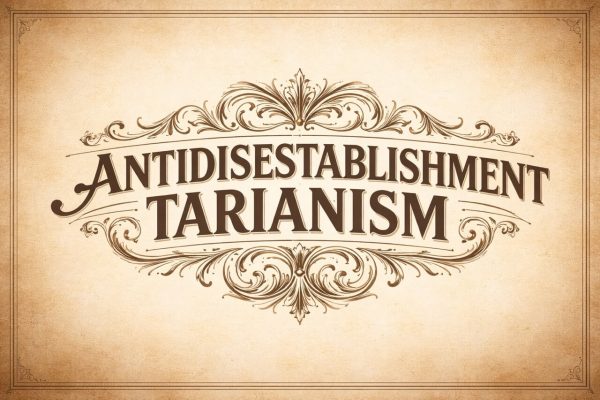
Antidisestablishmentarianism (Yes, It’s a Real Word)
Antidisestablishmentarianism is one of those words that feels like a joke… until you realise it’s rooted in real 19th-century British politics.
At its core, it describes a movement that opposed separating the Church of England from the state. In simple terms, it’s about keeping the church officially tied to government.
What It Actually Means
Let’s break it down, because this is where the fun (and confusion) kicks in:
- Establishment → The church is officially recognised by the state
- Disestablishment → Removing that official status
- Antidisestablishmentarianism → Opposing that removal
So yes… it’s basically a double negative turned into a political stance.
Where It Came From
The term emerged in 19th-century England during debates about whether the Church of England should lose its privileged, state-backed position. Those who wanted to keep things as they were became… antidisestablishmentarians.
Rolls right off the tongue, doesn’t it?
Why Everyone Knows the Word
It’s not famous because people care deeply about church–state politics.
It’s famous because:
- It’s 28 letters long
- It’s often listed as one of the longest “real” words in English
- It became a pop culture moment when a 12-year-old, Gloria Lockerman, spelled it correctly on The $64,000 Question in 1955
Since then, it’s been the go-to example of “ridiculously long English words.”
Is It Really the Longest Word?
Not quite.
There are longer words out there (especially technical or scientific ones), but this is probably the longest word you’ll hear in everyday conversation… or at least in trivia nights and pub chats.
Why It Still Matters (A Little Bit)
Today, the word is less about politics and more about:
- Language quirks
- Wordplay
- The joy of saying something unnecessarily complicated
It’s a reminder that English isn’t always efficient… but it is entertaining.
Quick Takeaway
- It’s a 28-letter word from 19th-century England
- It means opposing the separation of church and state
- It’s famous mainly because it’s long and slightly ridiculous
- It proves that sometimes… simple ideas get very complicated names